How Art Supports Early Literacy and Pre-Writing Skills
When parents think about preparing their child for reading and writing, they often picture flashcards, letter tracing, or early phonics work. What’s easy to overlook is how much art quietly supports those same skills in a more relaxed and joyful way.
Long before children write sentences, they’re building the physical, cognitive, and creative foundations that make literacy possible. Art plays a powerful role in that process.
Strengthening the muscles needed for writing
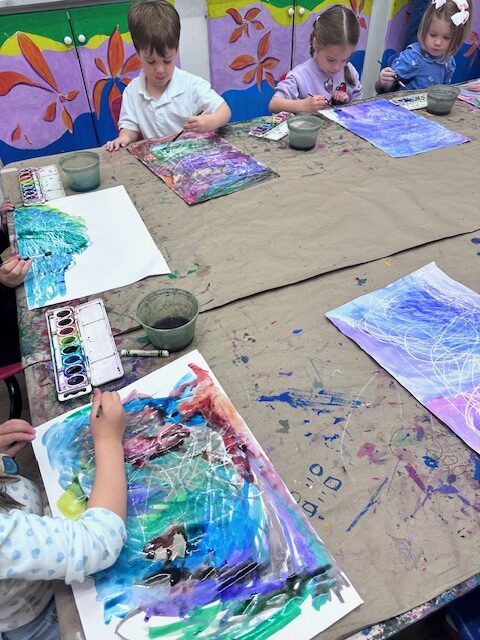
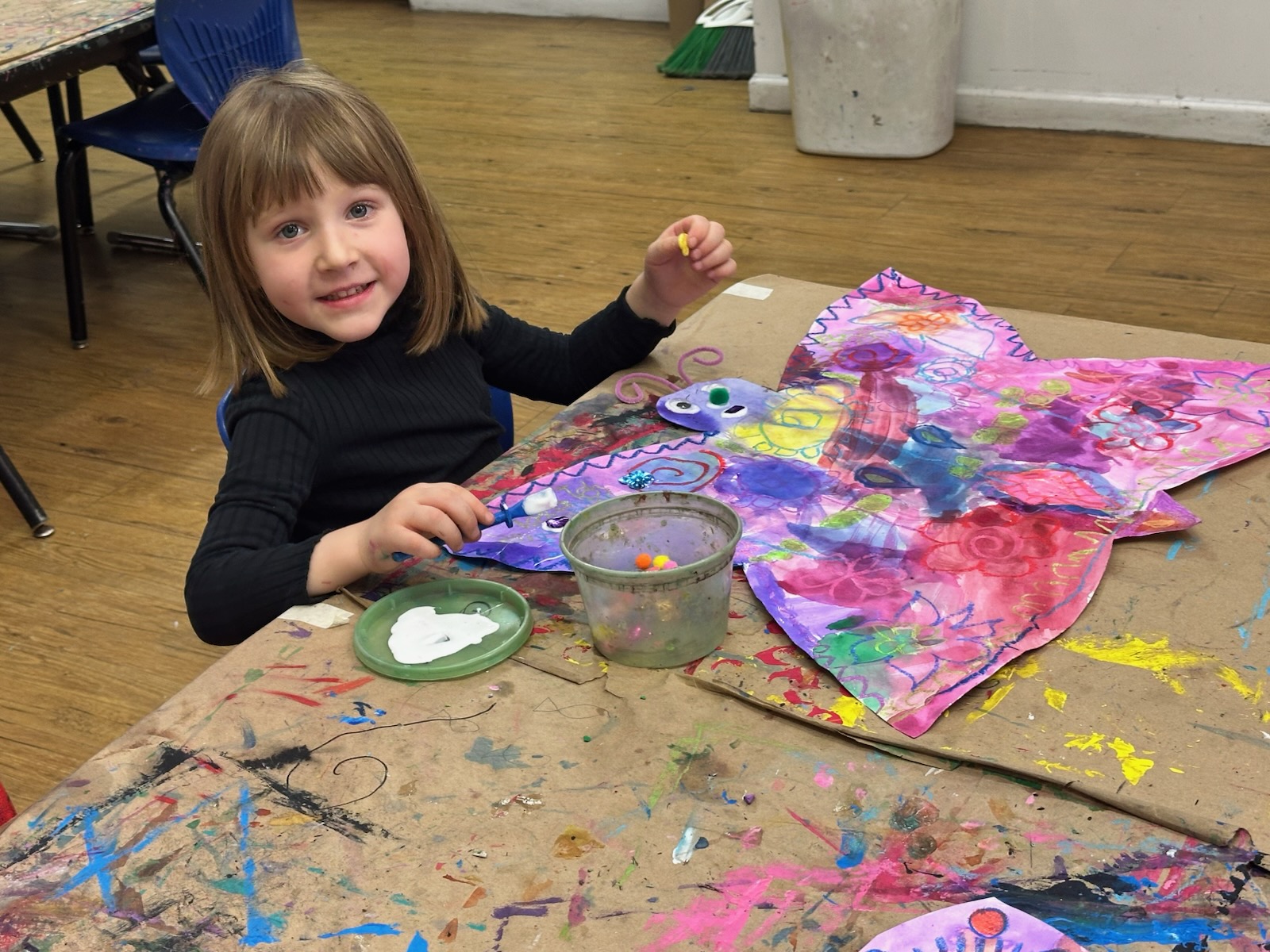
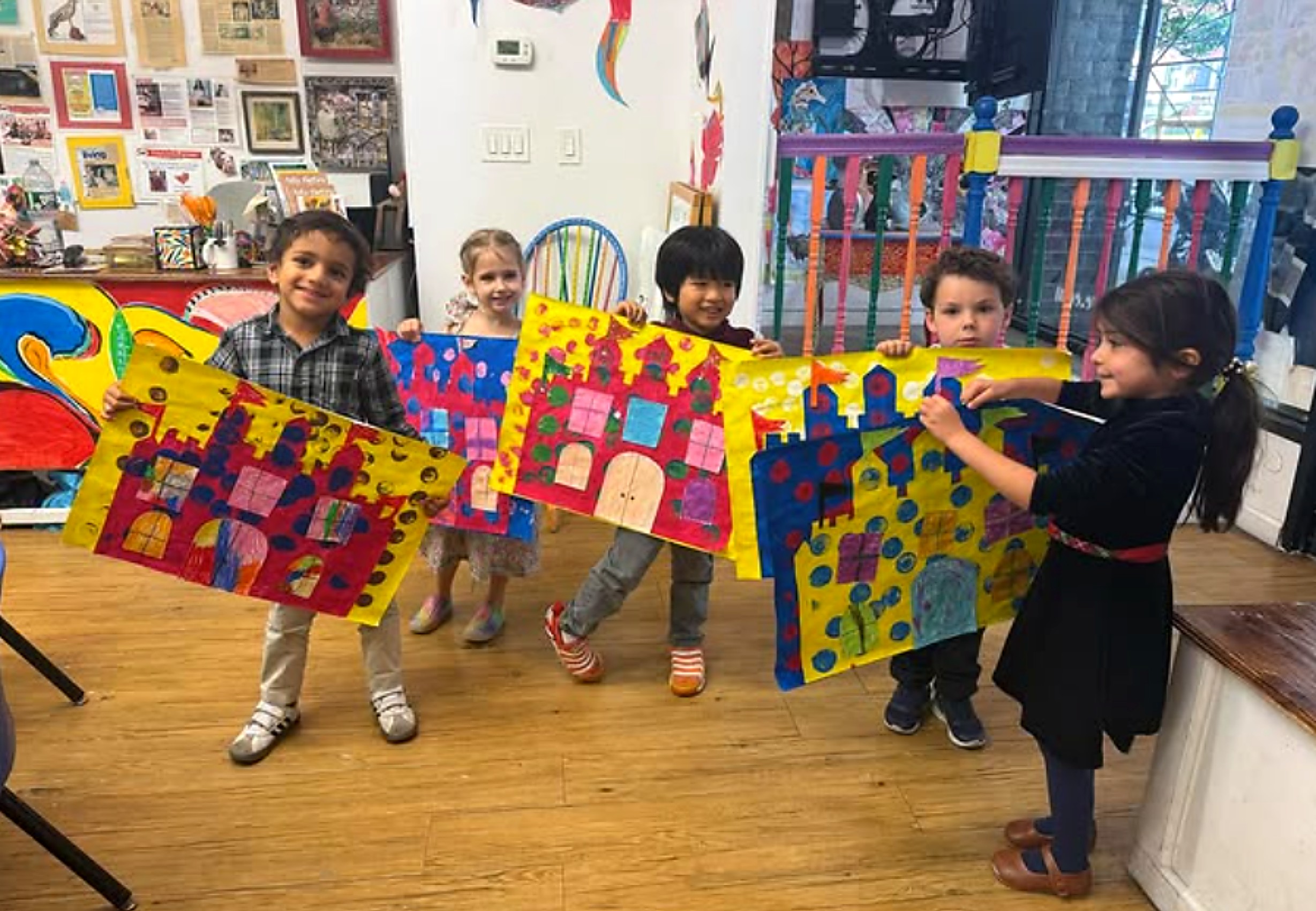
Drawing, painting, cutting, and sculpting all help develop the small muscles in the hands and fingers. These fine motor skills are essential for holding a pencil and forming letters comfortably.
When children squeeze glue bottles, manipulate clay, or control a paintbrush, they’re building the strength and coordination that writing requires later on.
Developing hand-eye coordination
Art asks children to guide their hands with intention. Whether they’re tracing lines, filling in shapes, or placing small pieces in a collage, they’re practicing the coordination needed to track words across a page and form letters with control.
Learning that symbols carry meaning
Even before formal reading begins, kids understand that marks on a page can represent ideas. When a child draws a picture and explains the story behind it, they’re already connecting symbols with meaning. That’s an early literacy skill in action.
Over time, drawings often evolve into shapes that resemble letters. Then those letters begin to form words. Art naturally supports that progression without pressure.
Building focus and sequencing
Completing an art project requires children to follow steps in a sequence. First the background, then the main subject, then the details. This kind of structured thinking supports reading comprehension and writing organization later on.
Encouraging storytelling
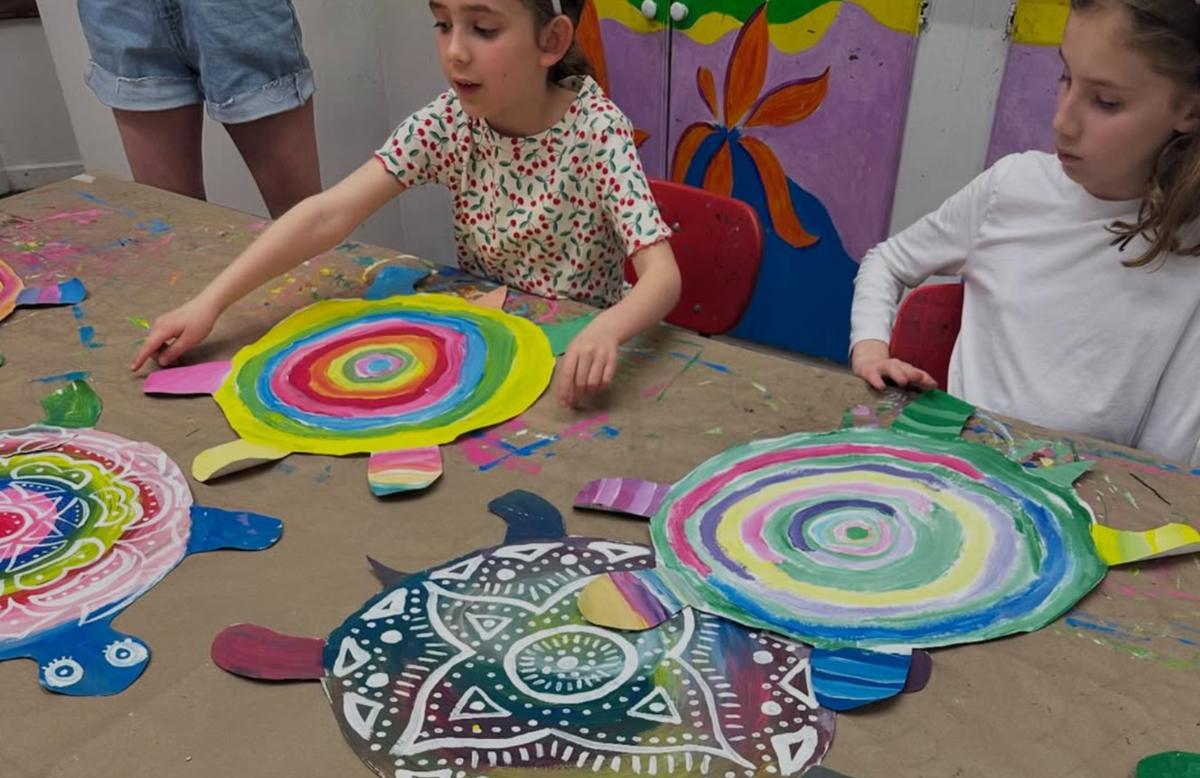
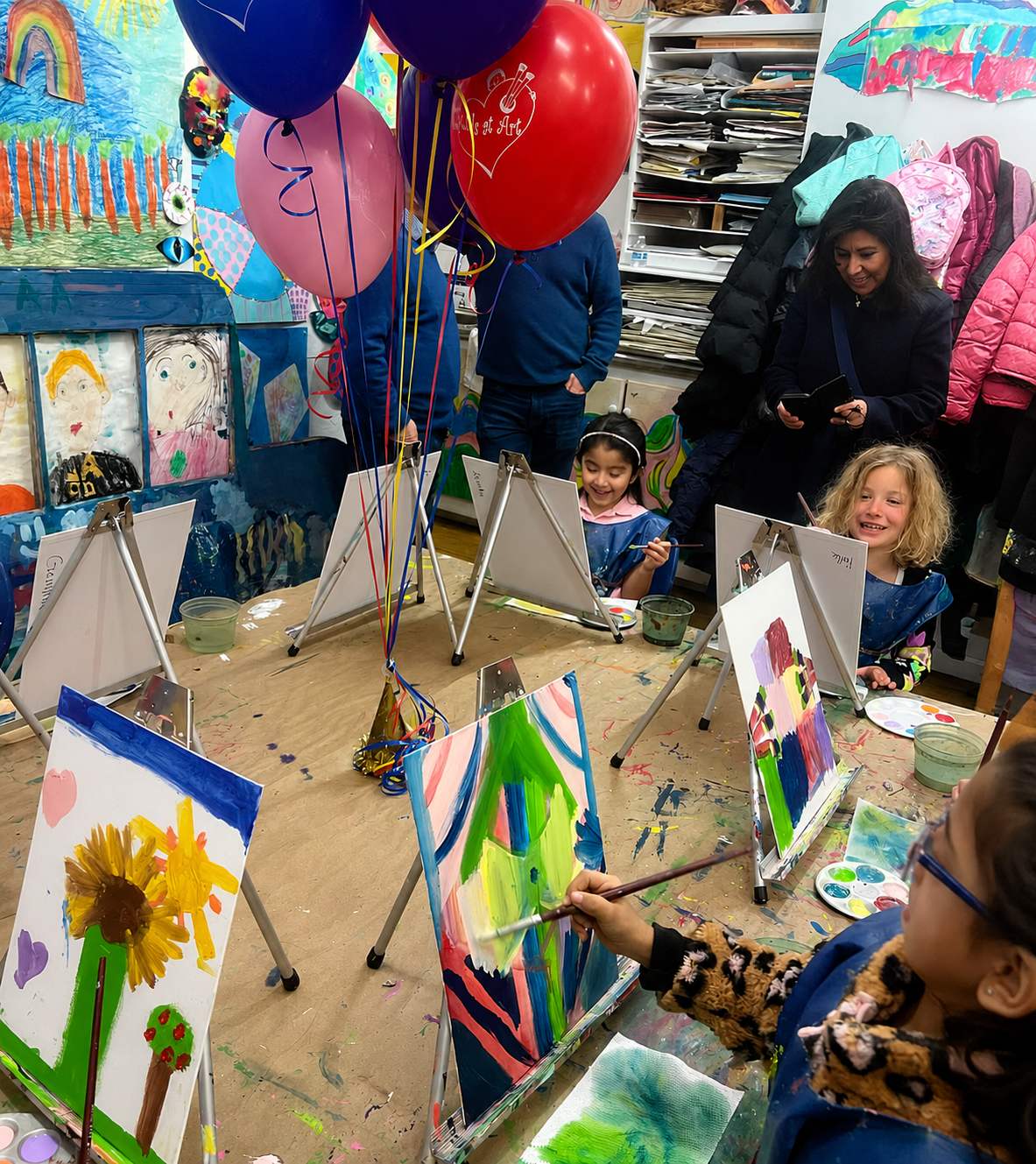
Art invites children to tell stories about what they’ve created. They describe characters, settings, and events. These conversations strengthen vocabulary, narrative skills, and expressive language.
All of this happens in a way that feels playful rather than academic. Children don’t feel like they’re “practicing literacy.” They’re simply creating.
Art offers a gentle bridge between early childhood exploration and future reading and writing skills. When kids feel confident using their hands, expressing ideas, and making meaning on a page, they’re laying the groundwork for literacy in a natural, supportive way.
If you’d like to see how these skills are nurtured in a creative studio setting, feel free to explore our current classes and find an option that fits your child’s age and interests.